Экономические и технические причины миграции с DigitalOcean
Процесс, известный как leaving digitalocean, часто инициируется из-за изменения ценовой политики провайдера. В последние годы DigitalOcean (DO) пересмотрел стоимость своих базовых планов, введя отдельную плату за IPv4-адреса, что существенно увеличило итоговый чек для небольших проектов и индивидуальных разработчиков.Сравнение стоимости ресурсов и производительности
При анализе затрат важно учитывать не только номинальную стоимость Droplet, но и скрытые платежи за трафик и дополнительные IP. Если рассматривать DigitalOcean alternative, можно заметить значительную разницу в объеме ресурсов за ту же цену.| Характеристика | DigitalOcean (Basic) | Valebyte (Cloud VPS) | Разница |
|---|---|---|---|
| CPU (Cores) | 1 vCPU | 1 vCPU (High Frequency) | Аналогично |
| RAM (GB) | 1 GB | 2 GB | В 2 раза больше у Valebyte |
| Disk (NVMe) | 25 GB | 30 GB | +20% объема |
| IPv4 адрес | Платно (от $4/мес) | Включено в цену | Экономия $4/мес |
| Итоговая цена | ~$6.00 + IPv4 = $10.00 | $7.59 (всё включено) | Дешевле на 24% |
Проблема платных IPv4 и ограничений снапшотов
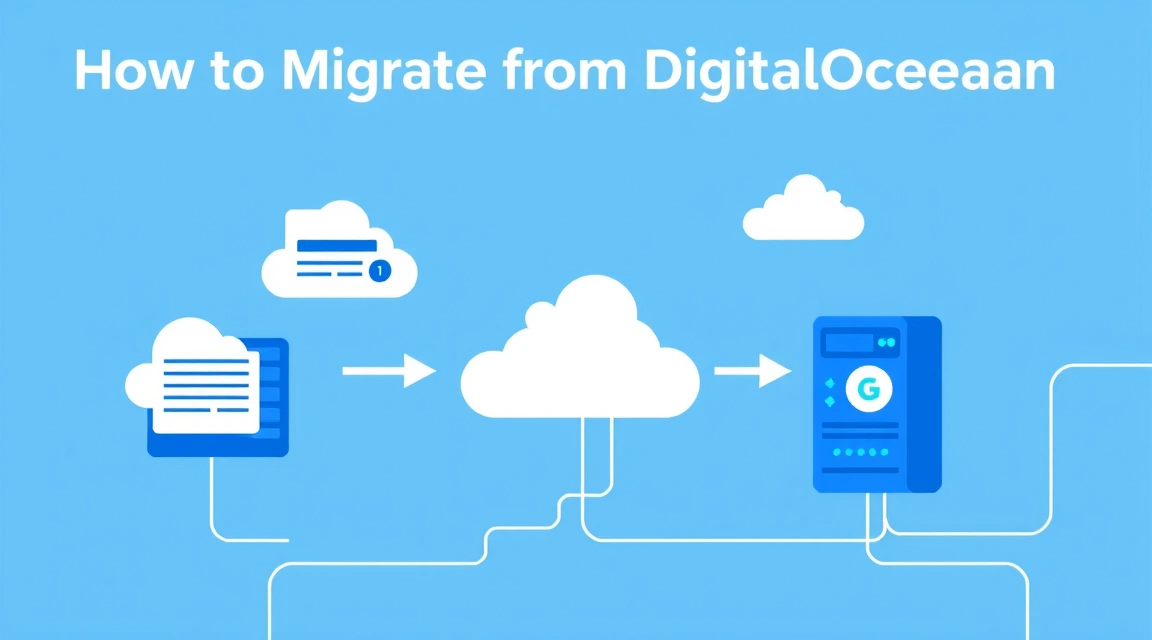
Многие пользователи начинают digitalocean migration после того, как замечают, что стоимость одного лишь публичного IP-адреса на DO начинает составлять до 40-50% от стоимости самого дешевого сервера. Кроме того, внутренняя экосистема DO сильно ограничивает экспорт данных: вы не можете просто нажать кнопку «Скачать snapshot» в панели управления. Это вынуждает использовать обходные пути через Custom Images или прямое копирование дисковых разделов.Подготовка инфраструктуры к digitalocean migration
Успешный переезд начинается не с копирования файлов, а с управления временем жизни записей в глобальной сети. Если проигнорировать этот этап, после смены IP-адреса часть ваших пользователей будет еще несколько суток пытаться достучаться до старого сервера в DigitalOcean.Снижение TTL и аудит зависимостей
За 24 часа до начала активной фазы миграции необходимо зайти в панель управления DNS (это может быть Cloudflare, DigitalOcean DNS или регистратор) и изменить значение TTL (Time To Live) для всех записей типа A и AAAA на 300 секунд (5 минут). Это гарантирует, что когда вы измените IP, мир узнает об этом практически мгновенно. В процессе подготовки полезно изучить Hetzner alternative и другие варианты площадок, чтобы убедиться, что выбранный дата-центр соответствует вашим требованиям по задержкам (latency) и юридической стабильности.Инвентаризация сервисов и бэкапы
Перед тем как начать do snapshots export, составьте список критических сервисов.- Проверьте пути к конфигурационным файлам (nginx, apache, docker-compose).
- Сделайте дампы баз данных (MySQL/PostgreSQL) отдельно, даже если планируете переносить весь образ диска.
- Зафиксируйте текущие настройки сетевого экрана (UFW или iptables).
- Убедитесь, что у вас есть доступ по SSH ключу к новому серверу.
Ищете надёжный сервер для ваших проектов?
Цены, тарифы и конфигурации сторонних провайдеров в этой статье приведены ориентировочно и могли измениться после публикации. Перед заказом сверяйте актуальные условия на сайте самого провайдера.
VPS от $10/мес и выделенные серверы от $9/мес с NVMe, DDoS-защитой и поддержкой 24/7.
Смотреть предложения →Технический процесс do snapshots export
Поскольку DigitalOcean не предоставляет прямой ссылки на загрузку снапшота, разработчикам приходится использовать обходной маневр через функционал Custom Images.Метод через Custom Images и S3
Этот способ считается наиболее «цивилизованным», но требует наличия свободного места и времени. 1. Создайте Snapshot вашего Droplet в панели DO. 2. Перейдите в раздел «Images» -> «Snapshots». 3. Напротив нужного снапшота выберите «More» -> «Export to Custom Images». 4. После завершения экспорта образ станет доступен в разделе Custom Images, откуда его можно скачать по прямой ссылке, которая будет активна ограниченное время. Образ обычно сохраняется в формате `.qcow2`. Это стандарт для KVM-виртуализации, но для импорта на другие платформы может потребоваться конвертация.Прямое копирование диска через dd и ssh
Если вы не хотите возиться с панелью управления, можно выполнить do to vps перенос данных в реальном времени. Для этого нужно загрузить Droplet в режиме Recovery ISO.# Пример команды для копирования всего диска со старого сервера на новый
# Выполняется с нового сервера
ssh root@old-server-ip "dd if=/dev/vda bs=1M status=progress | gzip -c" | gunzip -c | dd if=/dev/vda

Быстрый выбор
Тарифы VPS
Ищете сервер, который просто работает?
Valebyte VPS — NVMe, поддержка 24/7, запуск за 60 секунд.
Конвертация и развертывание образа (do to vps)
После того как вы получили файл образа (например, `backup.qcow2`), его необходимо подготовить к работе на новой инфраструктуре. Большинство современных облачных провайдеров поддерживают импорт образов, но форматы могут отличаться.Использование qemu-img для смены формата
Если ваш новый хостинг-провайдер требует формат RAW (который является наиболее универсальным), используйте утилиту `qemu-img`:# Установка утилиты на Ubuntu/Debian
apt-get install qemu-utils
# Конвертация из qcow2 в raw
qemu-img convert -f qcow2 -O raw snapshot_export.qcow2 disk_image.raw
Первый запуск и исправление сетевых интерфейсов
Самая частая проблема при миграции — потеря сети. В DigitalOcean интерфейс обычно называется `eth0`, но на новом VPS он может называться `ens3` или `enp0s3`. Если вы используете современную Ubuntu, проверьте настройки Netplan:# Откройте конфиг сети
nano /etc/netplan/01-netcfg.yaml
# Замените имя интерфейса и укажите новый IP/Gateway
network:
version: 2
renderer: networkd
ethernets:
ens3:
addresses:
- 192.168.1.10/24
gateway4: 192.168.1.1
nameservers:
addresses: [8.8.8.8, 1.1.1.1]
Плавный cutover и переключение DNS
Когда новый сервер запущен и вы убедились, что SSH доступен, наступает этап «плавного cutover». Это момент, когда трафик переключается со старой площадки на новую.Проверка целостности данных и синхронизация
Если между созданием снапшота и запуском нового сервера прошло несколько часов, данные (особенно в БД) могли устареть. Чтобы избежать потери последних транзакций: 1. Переведите приложения на старом сервере в режим «Maintenance» (только чтение). 2. Выполните финальную синхронизацию файлов через rsync:rsync -avz --exclude='/etc/fstab' --exclude='/etc/netplan/*' root@old-ip:/var/www/ /var/www/Окончательное переключение трафика
Теперь измените IP-адреса в вашей DNS-панели. Благодаря тому, что мы заранее снизили TTL до 300 секунд, переключение произойдет быстро. Мониторьте логи Nginx на новом сервере, чтобы увидеть первые входящие запросы от реальных пользователей. Не выключайте старый сервер в DigitalOcean еще как минимум 24-48 часов — он может понадобиться для извлечения забытых конфигов.Оптимизация нового сервера после переезда
После завершения digitalocean migration сервер требует тонкой настройки под новое оборудование. Ядра процессоров и дисковая подсистема могут работать иначе, что требует корректировки параметров ядра Linux.Настройка безопасности и файрвола
В DigitalOcean многие полагаются на внешние Cloud Firewalls. При переезде на обычный VPS вам нужно настроить локальный файрвол.# Базовая настройка UFW
ufw allow 22/tcp
ufw allow 80/tcp
ufw allow 443/tcp
ufw enable
Бенчмарки и проверка производительности
Проверьте, за что вы платите деньги. Утилита `fio` поможет измерить скорость диска, а `sysbench` — производительность процессора.# Тест скорости чтения диска
fio --name=loadtest --filename=testfile --size=1G --rw=read --direct=1 --ioengine=libaio --bs=4k --iodepth=64 --runtime=60 --numjobs=1 --time_based --group_reporting
Быстрый выбор
Тарифы VPS
Ищете сервер, который просто работает?
Valebyte VPS — NVMe, поддержка 24/7, запуск за 60 секунд.
Миграция специализированных сервисов (VPN и боты)
Если ваш сервер использовался не для веб-сайта, а для инфраструктурных задач, процесс переезда имеет свои нюансы.Перенос VPN-узлов и прокси
Для тех, кто использовал WireGuard на VPS, основная задача — сохранить ключи клиентов и обновить IP-адрес в конфигурациях на стороне пользователей. Если клиентов много, проще всего использовать доменное имя вместо IP в конфигах WireGuard/VLESS, тогда переезд ограничится обновлением одной DNS-записи. При переносе прокси-серверов (Squid, 3proxy) убедитесь, что новые IP-адреса не находятся в черных списках крупных сервисов, что иногда случается у дешевых провайдеров.Особенности работы торговых ботов
Для финтех-проектов и крипто-ботов критически важен пинг до бирж (Binance, Bybit). После миграции обязательно замерьте задержку:# Проверка пинга до API Binance
ping api.binance.com -c 10
Выводы
Миграция с DigitalOcean — это эффективный способ сократить расходы на инфраструктуру на 30-50% и получить в два раза больше оперативной памяти за те же деньги. Для успешного переезда достаточно правильно подготовить DNS, экспортировать диск через Custom Images и провести финальную синхронизацию данных через rsync, что гарантирует работу проекта без потерь.
SSD NVMe
Готовы запустить свой VPS?
NVMe VPS с активацией за 60 секунд: полный root-доступ, 20+ локаций, оплата картой или криптой.
Выбрать тариф