How to Protect Your VPS from Hacking?
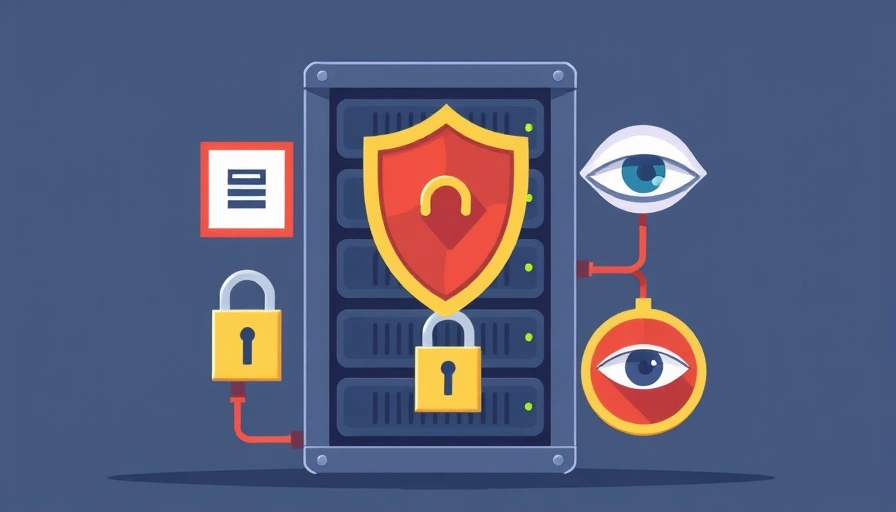 Virtual Private Servers (VPS hosting) are a great solution for many tasks, but like any other technology, they are vulnerable to hacking. What can you do to secure your VPS and protect it from potential hackers? Let's look at some simple steps to improve your server's security.
1. Keep Your Operating System Up to Date
One of the most important steps in protecting your VPS is to regularly update the operating system. Constantly check for new updates and install them as quickly as possible to close vulnerabilities that attackers can exploit.
2. Install a Firewall
A firewall will help control the traffic coming to your server. Configure firewall rules to block suspicious requests and protect your data from unwanted attacks.
dnsA server for this guide
Matching plans from verified providers, prices updated daily.



Compare:Vultr vs DigitalOceanVultr vs ContaboAll VPS by price
Affiliate links: we may earn a commission, your price stays the same.
3. Use Strong Passwords
Don't use simple or obvious passwords to access your VPS. Use long and complex passwords consisting of letters, numbers, and special characters. This will help reduce the likelihood of your server being successfully hacked.
4. Back Up Your Data
Regularly backing up the data on your VPS will help restore the server's functionality in the event of a data breach or attack. Use reliable services for storing backups and check their integrity.
5. Monitor Activity
Install an activity monitoring system on your VPS to track suspicious activity or anomalies in the server's operation. This will help detect hacking in a timely manner and take measures to protect your server.
6. Encrypt Data
Use data encryption to protect sensitive information stored on your VPS. Encrypt hard drives, databases, and other files to prevent unauthorized access.
7. Limit Access to the Server
Restrict access to your VPS to only the necessary users and set proper access policies. Conduct regular audits to identify access vulnerabilities and exclude unwanted guests.
Conclusion
By following these simple guidelines, you can significantly improve the security of your VPS and protect it from hacking. Remember that server security is an ongoing process that requires careful attention and regular updates.
```