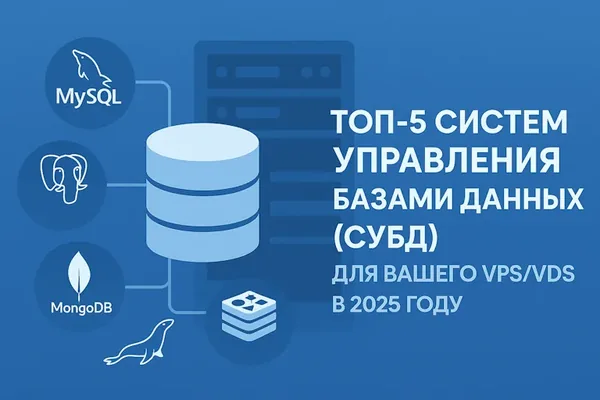
Database Management on Linux: Top Applications
1. MySQL
MySQL is one of the most popular database management systems supported on Linux. It is known for its high performance and reliability. MySQL supports a wide range of features, such as triggers, stored procedures, and more.
2. PostgreSQL
PostgreSQL is a powerful and extensible database management system that is also an excellent choice for running on Linux. PostgreSQL supports complex queries, indexes, triggers, and much more.
3. SQLite
SQLite is a lightweight database that is stored in a single file. It's an excellent choice for small projects or prototypes. SQLite is easy to use and does not require a database server installation.
4. MongoDB
MongoDB is a NoSQL database that stores data in JSON format. It supports scaling and handling large volumes of data. MongoDB is ideal for working with documents.
5. MariaDB
MariaDB is a fork of MySQL that offers additional features and improvements. MariaDB is compatible with MySQL and provides high performance and reliability.
6. Oracle Database
Oracle Database is a powerful and scalable relational database designed for large enterprises. It supports a wide range of features and delivers high performance.
7. Redis
Redis is a high-performance database that specializes in working with keys and values. It has low latency and can be used for data caching.
8. Couchbase
Couchbase is a distributed NoSQL database that provides high availability and scalability. It's ideal for working with sessions and data stores.
9. Firebase
Firebase is a cloud platform that provides real-time databases for developers. It provides data synchronization between devices and various analytics tools.
10. neo4j
Neo4j is a graph database that specializes in storing relationships between data. It supports complex queries and has high performance when working with graphs.
11. InfluxDB
InfluxDB is a time-series database that allows you to store and analyze time-series data. It is widely used for monitoring and collecting metrics data.
12. Amazon DynamoDB
Amazon DynamoDB is a cloud-based NoSQL database provided by Amazon Web Services. It provides high availability, scalability, and reliability for various types of applications.
13. CouchDB
CouchDB is a NoSQL database that stores data in JSON format and uses HTTP to access data. It provides high availability and supports data replication.
14. ArangoDB
ArangoDB is a multi-model database that supports graphs, documents, and key-value pairs. It provides high performance and scalability for various types of data.
15. RethinkDB
RethinkDB is a distributed database that specializes in streaming data changes in real time. It has a simple query interface and high availability.
Conclusion
Choosing the right application for working with databases on Linux depends on the project requirements and the type of data that needs to be handled. Use the applications listed above depending on specific needs and ensure effective data management on your server.