
How to Scan for Rootkits: A Comprehensive Guide
How to Check Files for Rootkits? Rootkits are malicious programs that can hide their presence and actions on an infected system. Checking files for rootkits…

Latest insights on dedicated servers, hosting solutions, and infrastructure
How to Check Files for Rootkits? Rootkits are malicious programs that can hide their presence and actions on an infected system. Checking files for rootkits…
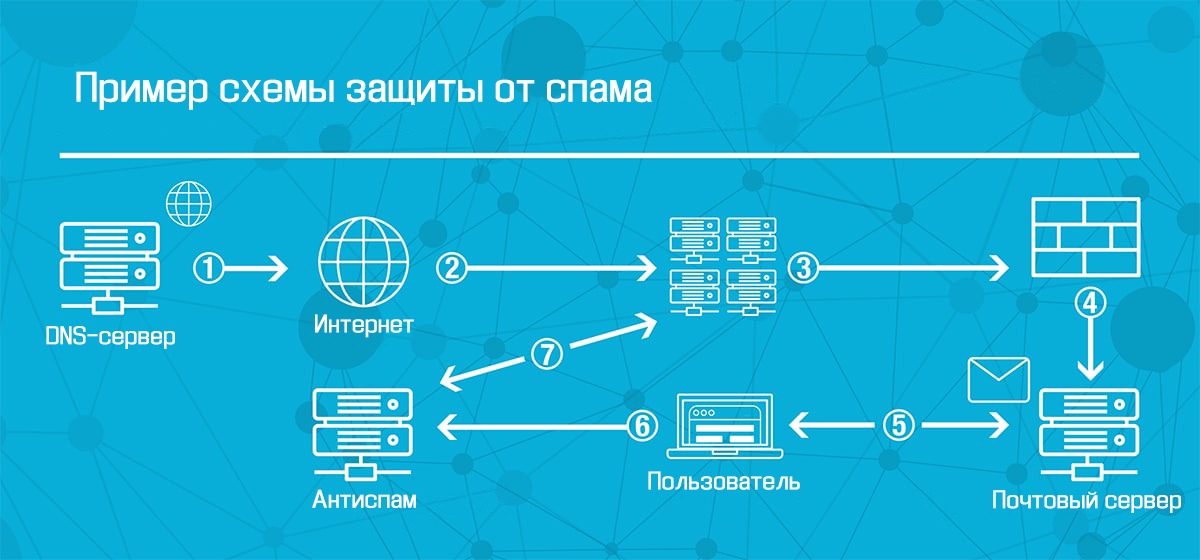
How to Protect Your Mail Server from Spam? Spam is a constant headache for email server administrators. It clutters user inboxes, increases server load, and…
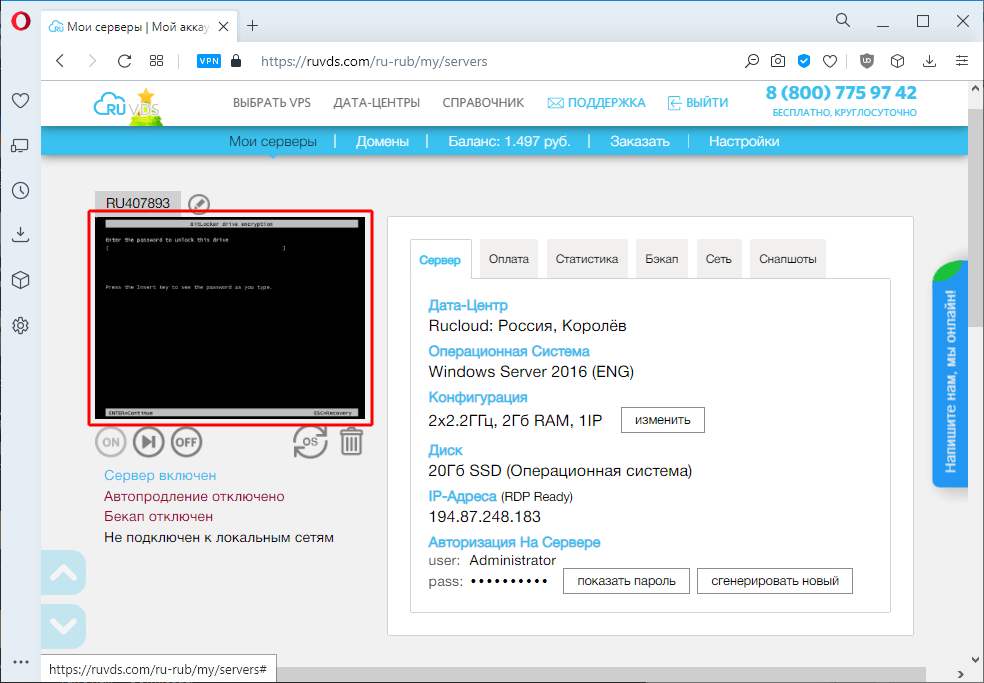
How to Encrypt Data on a Server? Protecting data on a server plays a crucial role in ensuring information security. If you want to encrypt…

How to Use chroot for User Isolation? Chroot is a handy and effective tool for isolating users on Unix-like systems. It allows you to create…
How to Check File Integrity on a Server? When working with websites, it’s essential to ensure the security and integrity of files on the server….
How to Protect Your Server from Brute-Force Attacks? Brute-force is an attack method where malicious actors attempt to compromise a server by systematically trying different…
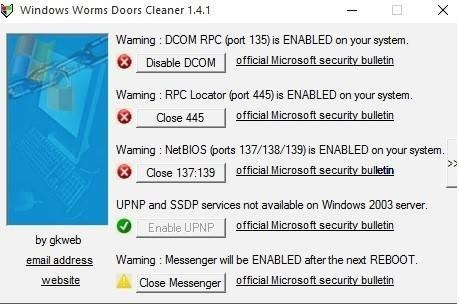
Which Ports Should You Close on Your Server? Closing unnecessary ports on a server is an important security measure. Open ports can be used by…

How to Protect Your Server from Malware? Servers are a key element of any IT infrastructure. They store and process large amounts of data, making…
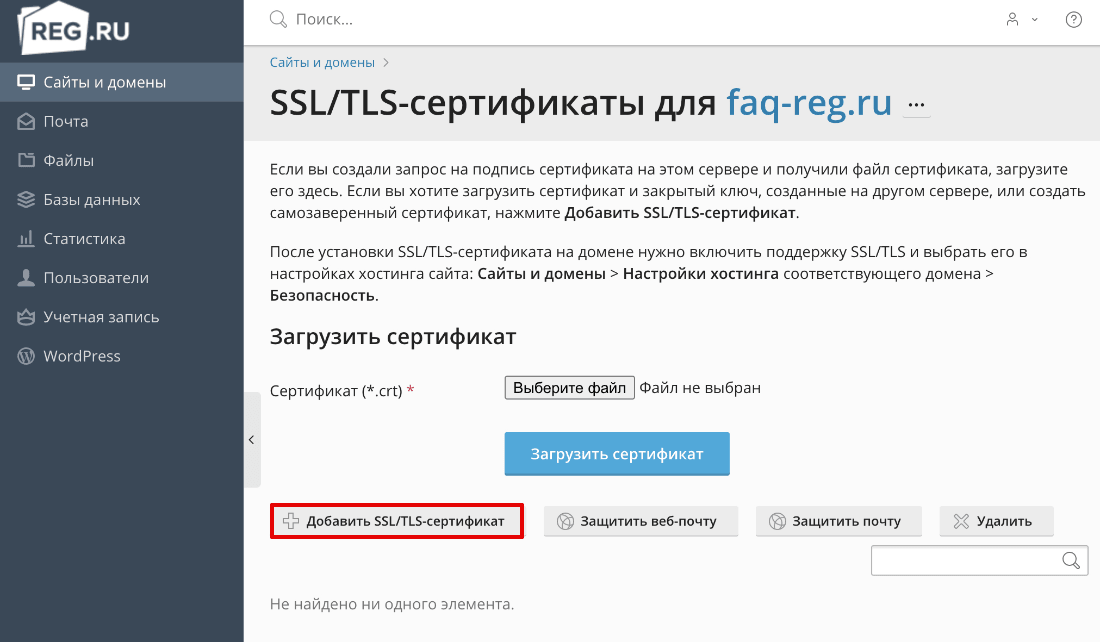
How to Install an SSL/TLS Certificate on a Server? SSL (Secure Sockets Layer) and its subsequent evolution TLS (Transport Layer Security) are cryptographic protocols that…
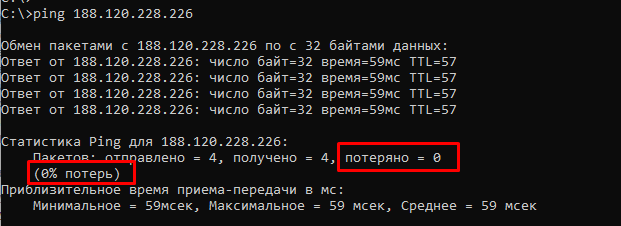
How to Check Who is Connected to the Server? When you have a server, it is very important to know who is currently connected to…